
Beijing's Five Architectural Colors, and the Symbolism Behind Them | the Beijinger

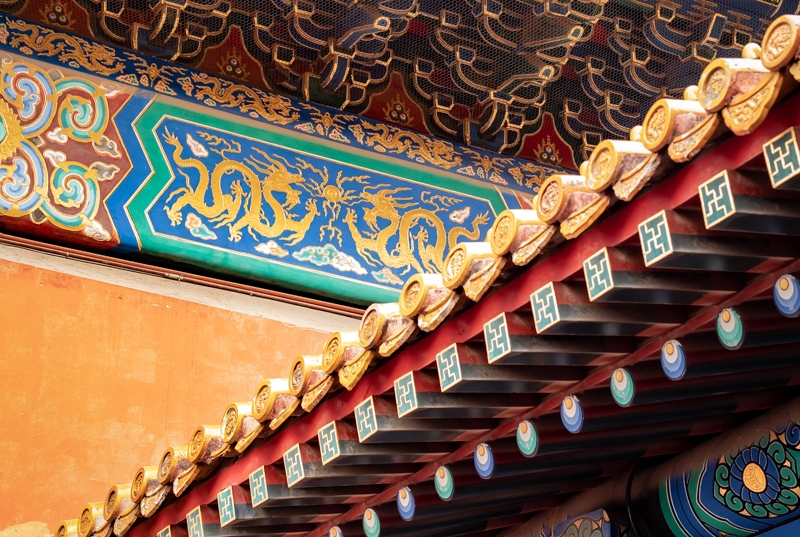
Beijing's Five Architectural Colors, and the Symbolism Behind Them | the Beijinger: It sometimes seems like the dominant color in Beijing is “Socialist Taupe.” The streets. The bricks. The roads. Getting away from the gray and the beige is hard.That wasn’t always the case. In imperial times, builders and architects relied on five colors to add life to their creations: red, yellow, blue, white, and (yes) gray.
Comments

Popular posts from this blog

A Cake Fiend's Guide to Daoxiangcun, Beijing's Oldest Traditional Pastry Shop | the Beijinger

A Cake Fiend's Guide to Daoxiangcun, Beijing's Oldest Traditional Pastry Shop | the Beijinger : The renowned Daoxiangcun Bakery has deep roots in Beijing. It was in 1895 that Guo Yusheng opened its doors in Guanyin Temple on Qianmianwei street, selling authentic Beijing pastries and snacks. As an outsider, you may have walked past a Daoxiangcun store countless times and never even realized, but for the locals, this staple chain is home, and brings back fond childhood memories.

Beijing: Tea & Books - YouTube

Beijing: Tea & Books - YouTube :

A Stroll Through the Delightfully Local Chaowai Morning Market | the Beijinger

A Stroll Through the Delightfully Local Chaowai Morning Market | the Beijinger : I’ve long been a big fan of food markets. The appeal of the great and affordable local food goes without saying, but there's something so irresistible about their bustling, exotic and chaotic atmospheres. As a city that is early to rise, Beijing comes into full swing well before 7am, and morning markets offering local produce are still considered one of the centerpieces of traditional daily life, that defines this rugged, charming city.